

Proofig AI for Publishers:
Uphold the Highest Standards of Scientific Publishing Integrity
Automated image screening and quality assurance that integrates with your submission workflow -protecting journal reputation, impact factor ranking, and reviewer capacity.
Why Image Integrity Matters for Publishers
Roughly one-third of life-science manuscripts contain image issues—many discovered only after submission. Manipulated, duplicated, plagiarized, or AI-generated images that escape peer review undermine scientific publishing and damage journal trust.
Manual checks, however diligent, still miss most image problems, leaving journals vulnerable as submission volumes keep rising. A workflow-integrated, automated solution is the only reliable way to ensure consistent, high-quality screening and protect impact factor rankings in modern scientific publishing.
Submission Volume
Surge
Rising manuscript counts make end-to-end manual checks impossible, letting image issues slip through peer review unnoticed.
Retraction Risk & Impact Factor
Publishing manipulated or duplicated images can lead to retractions, damaging journal credibility, and lowering impact factor rankings.
Editorial Resource
Drain
Investigating post-publication issues consumes valuable editorial time and staff bandwidth, stretching already overburdened teams.
Why Publishers Choose Proofig AI to Safeguard Scientific Integrity
Workflow-Tailored Automation
Connect Proofig AI to your submission system for automatic screening, or screen individual PDFs via drag-and-drop.
Paper-Mill & Cross-Journal Detection
Manuscript visuals are checked against more than 155 million PubMed Open Source Database images, the industry’s largest image-plagiarism database.
Reputation & Metric Protection
Detect issues pre-publication to prevent public corrections and safeguard your journal’s impact factor ranking.
Operational Oversight & Transparency
Admin dashboards show usage statistics, detection rates, and scan history across titles and editorial teams.
Enterprise-Grade Confidentiality
Screening runs on secure, private servers; manuscript data is never reused for model training.
Dedicated Customer Success
A named support team ensures smooth onboarding, workflow tailoring, and ongoing success.
How It Works
Choose Your Workflow Integrate Proofig AI into your submission platform for automatic screening—or simply drag-and-drop a manuscript PDF for manual upload.
AI-Powered Analysis The system scans manuscript visuals and sub-images for duplication, plagiarism, manipulation, and AI-generated image risks.
Review and Validate Check flagged images, investigate further, and decide what to include in the final report.
Download a Final ReportGet a detailed PDF report your editorial team can archive for policy compliance and author communication.
Proofig AI for publishers: frequently asked questions
Which image integrity tool do major journals and publishers use?
Proofig AI is the image integrity platform trusted by the Science family of journals, which adopted it across all six of its journals. MDPI signed a multi-year deal with Proofig AI, and leading publishers including Springer Nature, Taylor & Francis, SAGE, the Royal Society of Chemistry and AACR trust Proofig AI too. Editorial teams screen submissions at volume, including through the Aries Editorial Manager integration, before publication.
How can a journal add image integrity screening to its submission workflow?
A journal can connect Proofig AI to its submission system so new manuscripts are screened automatically, or editors can drag and drop individual PDFs. On Enterprise, Proofig AI integrates with Aries Editorial Manager and connects other systems through the REST API. Each manuscript gets its own detailed report within minutes, and editorial staff review every finding before deciding what to share with authors.
Can Proofig AI screen manuscripts at scale across all of a publisher's journals?
Yes, Proofig AI screens at publisher volume: editors upload one manuscript or many at once, or submissions arrive through an integration. Each manuscript is analyzed separately and gets its own report in minutes, and the platform counts 250K+ Manuscripts Scanned. Admin dashboards show usage statistics, detection rates and scan history across titles and editorial teams, and Enterprise accounts include a dedicated success manager.
Does Proofig AI compare submitted figures with published papers, or only within the manuscript?
Proofig AI does both: it checks figures within the manuscript and against images already published in the literature. Inside the manuscript it finds duplication, reuse and manipulation. Across the literature it searches the industry’s largest image-plagiarism database, with more than 155 million PubMed Open Source Database images, catching direct reuse and cropped, resized or partial matches. Each match links to the original PubMed article for the editor to review.
How can publishers detect paper-mill submissions?
Proofig AI helps publishers detect paper-mill submissions by flagging a key signal: figures reused from other published articles, even when cropped, resized or altered. Proofig AI matches submitted images against more than 155 million PubMed Open Source Database images and links each match to its source, so editors can spot signs that a manuscript may have been assembled from earlier work across journals. It also flags manipulation and AI-generated images, and editors review every finding before acting.
How can editors share Proofig AI findings with authors?
Editors export a detailed Proofig AI PDF report with only the findings they choose to keep, and share it with authors. Each finding carries the Review Assistant’s short “What do I see?” description of the evidence, so authors can see exactly what was flagged and respond with original data or a corrected figure. The same report can serve as the journal’s internal record of the check.
How can editors catch retracted or fabricated references before peer review?
Editors can screen each submission’s reference list with RefGuard, Proofig AI’s reference integrity product, before peer review starts. For each manuscript it flags citations to retracted papers, references that cannot be matched to any real publication, including hallucinated ones, and citations that do not support the claims they are attached to. The editorial office sees every flag in one report and can send authors a precise query for each one. Each flag is a signal for editorial judgment, not a verdict.
Trusted by Top Scientific Journals














“From the experts, it seemed Proofig AI was by far the best choice, and here we are: further ensuring research integrity and guaranteeing the high quality of research output published by MDPI.”
Further Resources

- Proofig AI and MDPI Sign Multi-Year Deal to Strengthen Research Integrity
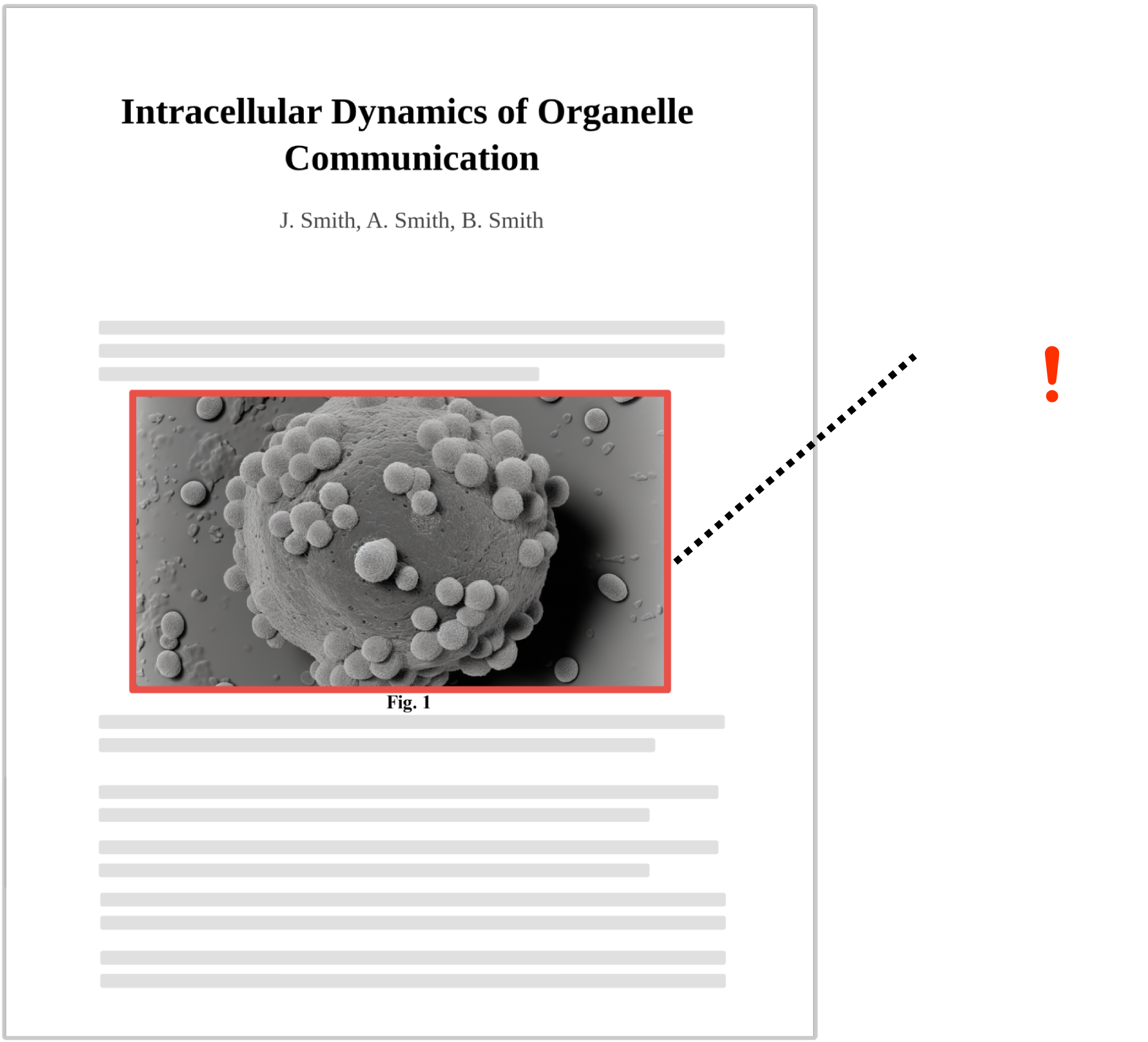
- AI-Generated Image Detection: A Leap in Scientific Integrity
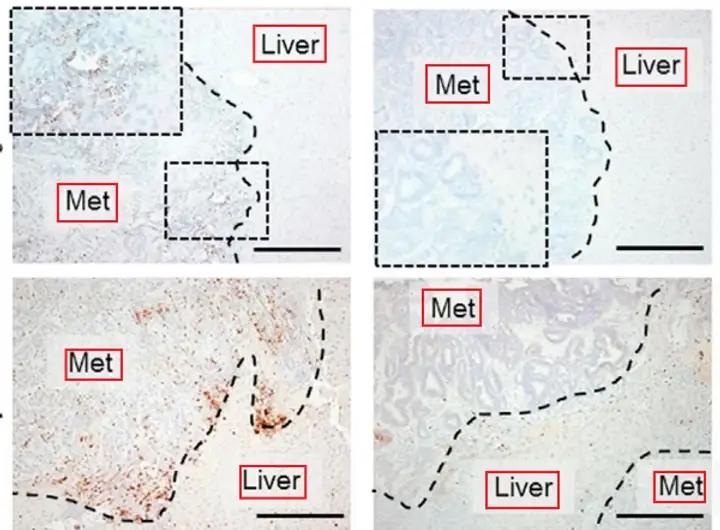
- Science Journals Adopt AI-Powered Image Integrity Checks