My Database Self-Plagiarism Prevention
Why Self-Plagiarism Matters
Self-plagiarism often happens unintentionally, but the consequences are serious. Even if a reused image comes from your own prior work, it can still lead to desk rejection, formal retraction, reputational damage, or funding risks.
Rejection or Retraction
Journals may reject or retract manuscripts flagged for self-plagiarism.
Reputational Damage
All co-authors, labs, and institutions share accountability.
Loss of Funding or Positions
Self-plagiarism can trigger institutional or grant penalties.
Erosion of Trust
Undermines the originality and credibility of published science.
Self-Plagiarism Scenarios We Detect
Proofig AI compares every new manuscript against your personalized repository, catching accidental reuse before submission.
Published Work
Detects reuse of images from your prior publications.
Posters & Proposals
Flags reuse of visuals from posters, grant submissions, or presentations.
Restricted Sources
Screens materials not covered by public databases.
Unpublished Images
Detects reuse of raw or internal lab visuals stored in your repository.
How It Works
Build Your Repository Upload past papers, posters, grant submissions, and lab images.
Submit a New ManuscriptDrag and drop your PDF or DOCX file—no formatting changes needed.
Automated Integrity CheckProofig AI compares new figures against your repository in real time.
Review Results & ReportConfirm flagged items, resolve overlaps, and download a final PDF report.
How My Database Complements PubMed
| Feature | My Database | PubMed Source Database |
|---|---|---|
| Primary Purpose | Prevents accidental self-plagiarism | Detects external plagiarism |
| Data Source | User-uploaded personal repository | Publicly accessible open-access articles (PubMed Source) |
| Coverage | Includes published, paywalled, and confidential materials | Limited to publicly available sources |
| Type of Issue | Usually unintentional reuse of own work | Usually intentional reuse of others' work |
| Accessibility | Completely personalized and private | Restricted to permissively licensed content |
| Database Limitations | Coverage determined by user's uploaded content | Limited to open-access images due to copyright and licensing restrictions, leaving inherent gaps |
Why Researchers Trust My Database
Unmatched Protection
Dramatically reduces risk of reusing your own prior images
Comprehensive Coverage
Includes published, restricted, and unpublished visuals
Seamless Workflow
Fully integrated with Proofig AI, automatic checks with every submission.
Enhanced Integrity
Protects originality and credibility of your scientific output.
Trusted by Leading Institutions and Publishers













Proofig helped us catch issues we would’ve missed entirely.
High-Impact Journal
Further Resources
The world of scientific research is evolving at an unprecedented pace. Every day, new tools and technologies emerge to address challenges in research, publication, and...

In the realm of life science research, images play a pivotal role in communicating complex data. However, the integrity of these images can sometimes be...
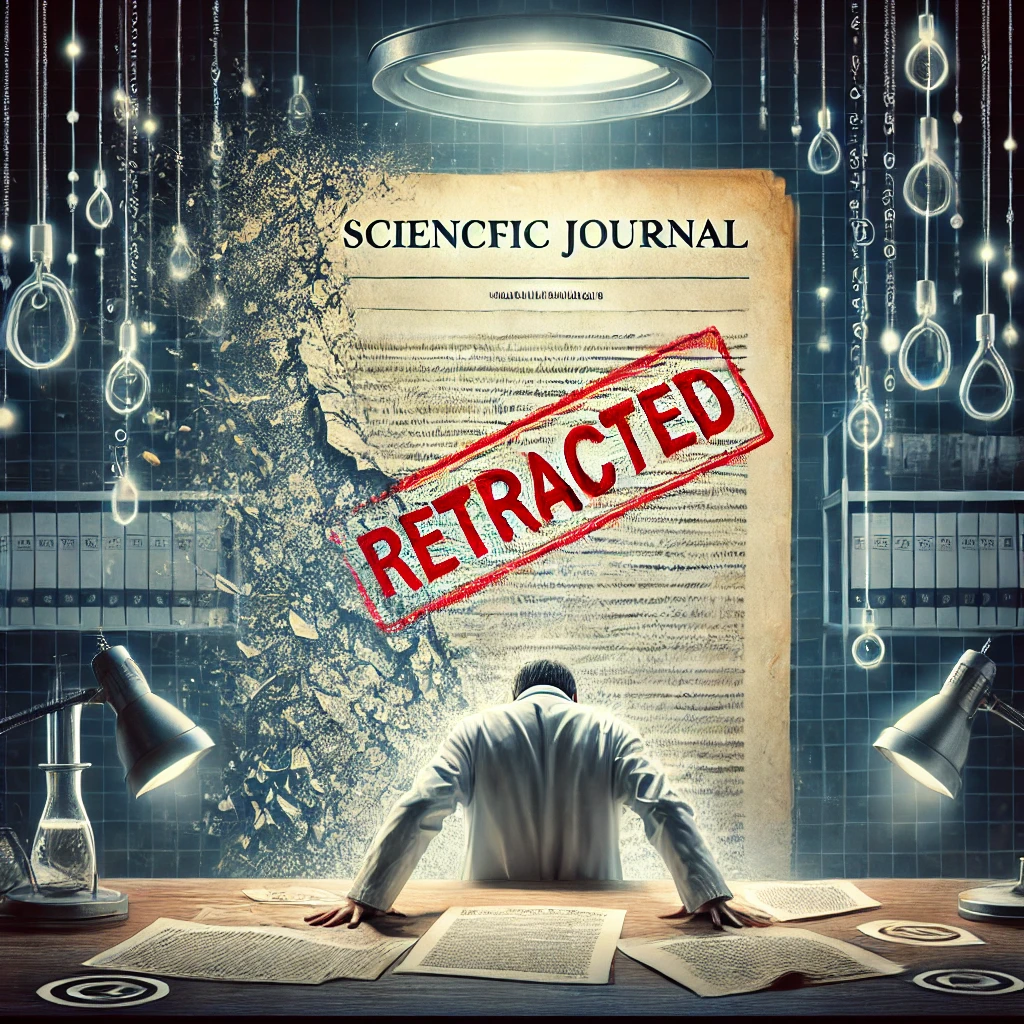
Plagiarism is a critical ethical violation in academia and scientific research, threatening the foundation of knowledge and credibility. While it is often associated with students...
Scientific publishing is on the cusp of significant transformation, driven by historical trends and emerging technologies. By looking back at the evolution of scientific communication...
The recent release of the AI-Generated Image Detection feature by Proofig marks a significant advancement in the field of scientific image integrity. This feature focuses...
Introduction In the realm of life science research, the publication process is a critical journey that transforms raw data into knowledge. This journey is not a...