Image Alteration & Manipulation Detection

Expose hidden image alterations, such as cloning, deletion, splicing, and content-aware edits, before they compromise your research.

Why Manipulation Matters

Roughly one out of every three manuscripts contains image integrity issues. Manipulations such as cloning, deletion, splicing, or content-aware edits can misrepresent results, mislead reviewers, and undermine trust.

Data Misinterpretation

Altered images can distort findings and affect credibility.

Rejection or Retraction

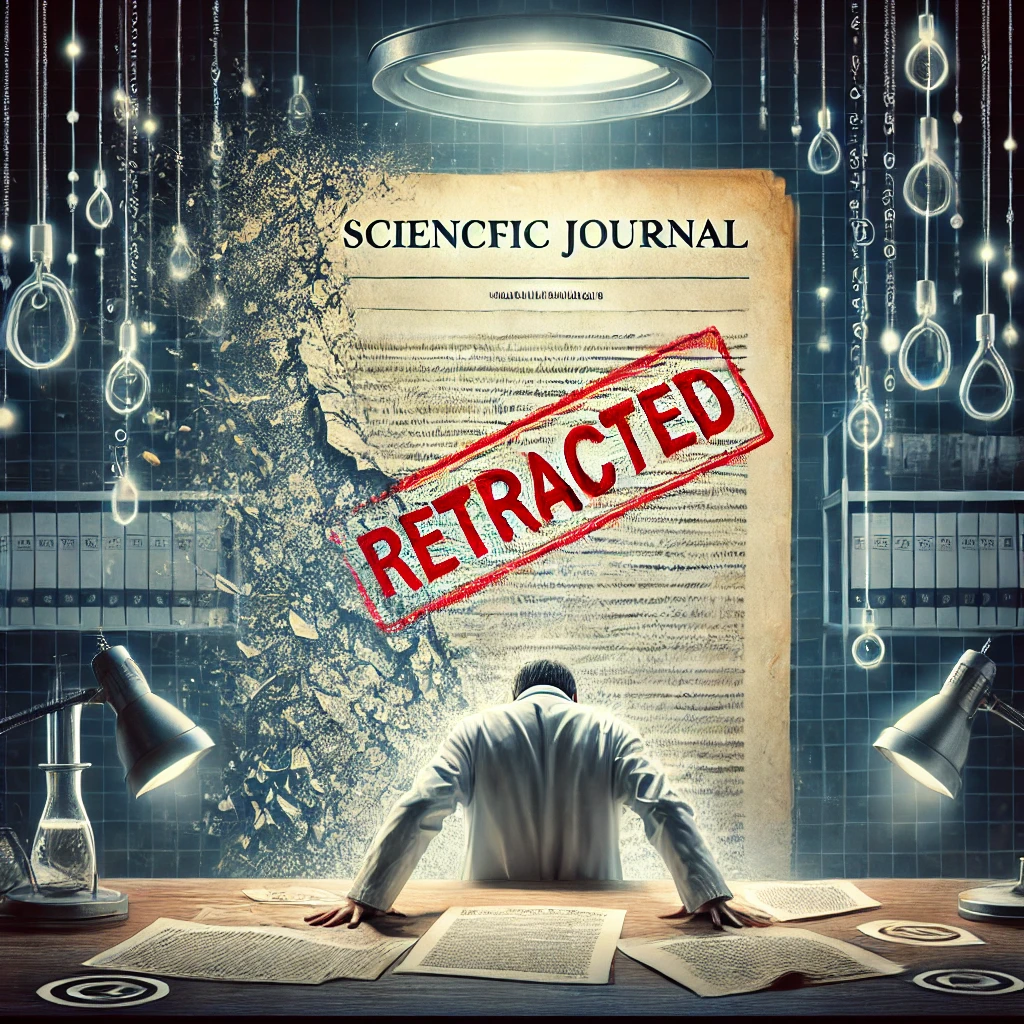
May lead to editorial rejection before publication—or a formal retraction afterward.

Reputational Damage

Harms the credibility of authors, institutions, and journals alike.

Loss of Trust in Science

Erodes reader confidence and affects downstream research.

Manipulation Types We Detect

Proofig AI detects a wide range of image alterations—from straightforward edits to sophisticated, algorithmic manipulations. The examples below illustrate some of the most common categories we identify, but our system continuously evolves to capture new and emerging manipulation methods across all image types. Each detection is surfaced transparently, allowing researchers to review and interpret results with full confidence.

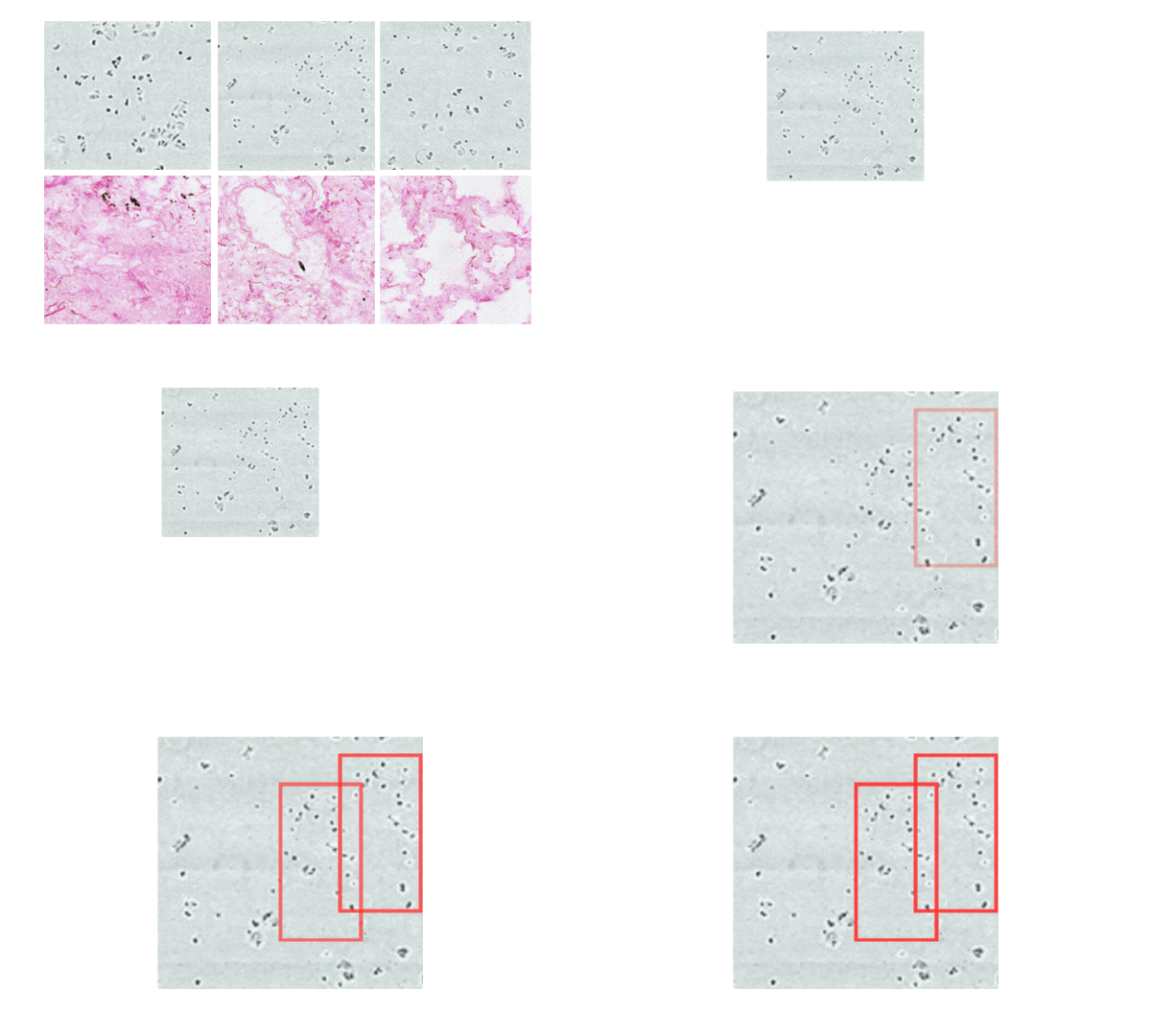
Example of scientific image manipulation detection showing cloned pixel regions duplicated within the same microscopy image, highlighted with red boxes.

Cloning

Duplication of pixels or regions within the same image.

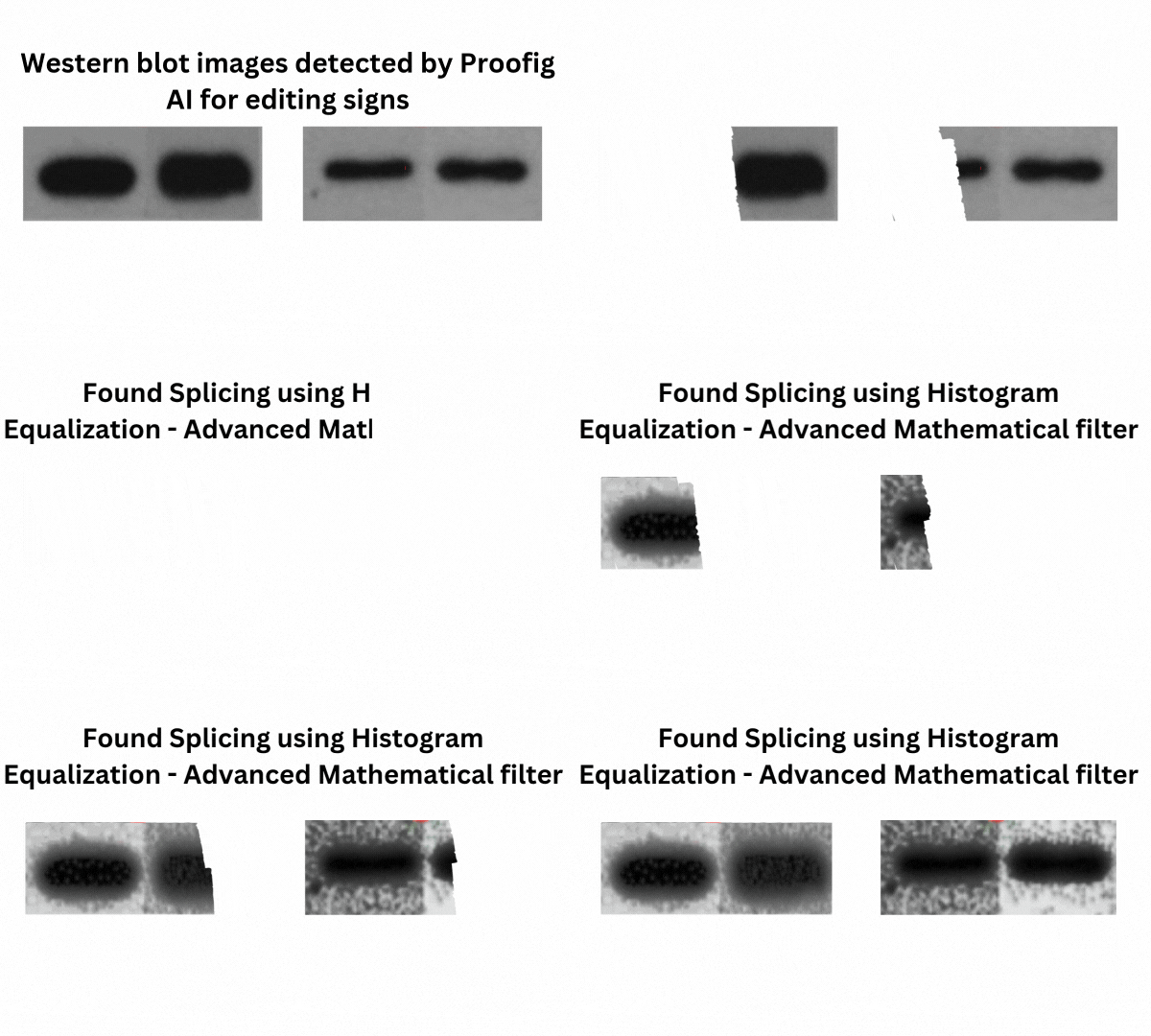
Example of scientific image manipulation detection showing splicing, where parts from multiple western blot images are merged into one composite, revealed through histogram equalization.

Splicing

Merging parts from different images or sub-images into a single composite.

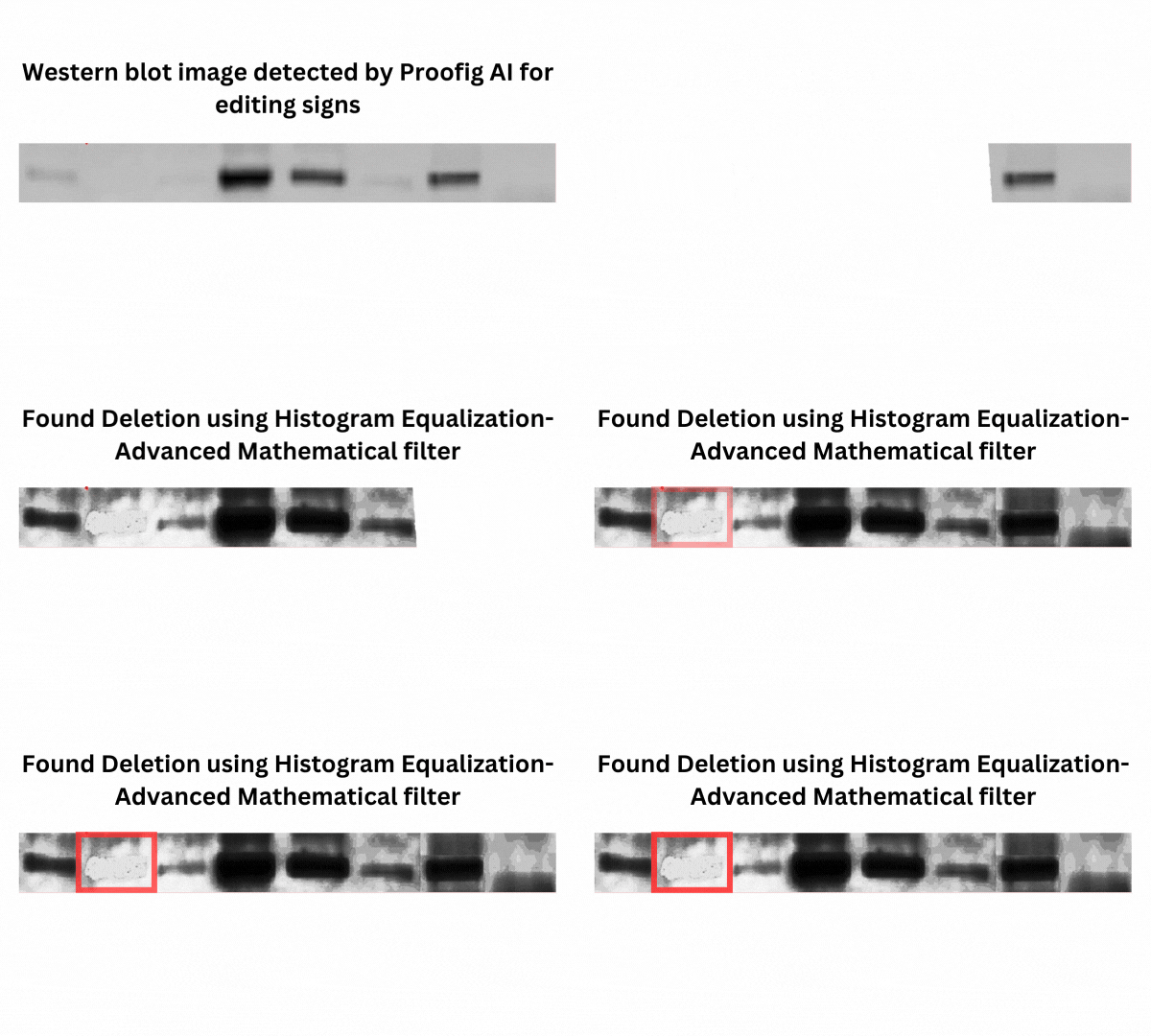
Example of scientific image manipulation detection showing deleted or masked areas in a western blot, where missing bands indicate removed visual elements.

Deletion

Removal or masking of visual elements from an image.

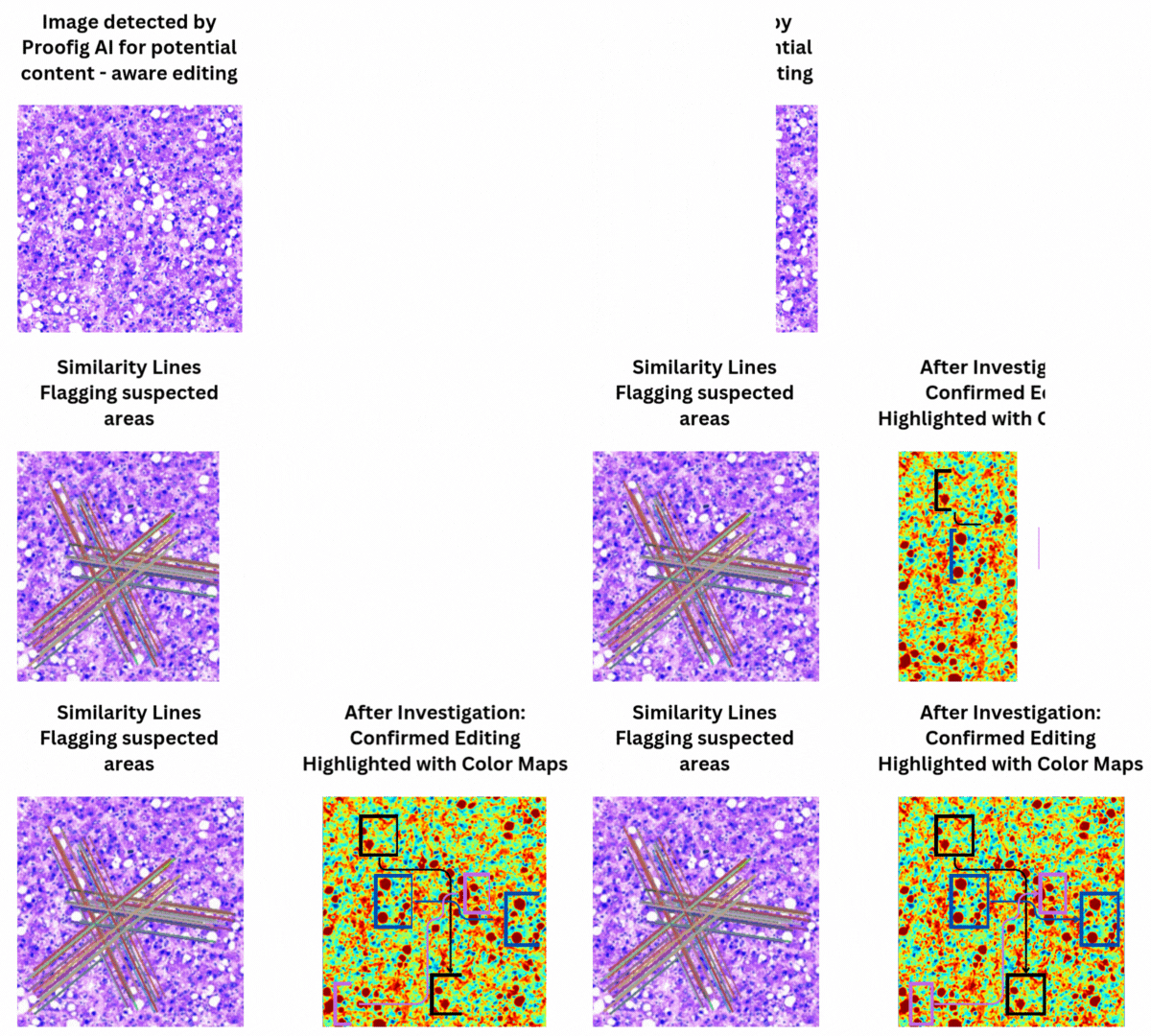
Example of scientific image manipulation detection showing content-aware edits, where algorithmic filling or retouching synthesizes replacement pixels highlighted by similarity lines and color maps.

Content-Aware Edits

Algorithmic filling/retouching that synthesizes replacement pixels to alter regions.

How  It  Works

Upload Your Manuscript Drag and drop your PDF or DOCX file—no formatting changes needed.

Step 1
Step 2

AI-Powered Analysis The system scans all images and sub-images for potential issues.

Review and Validate Check flagged images, investigate further, and decide what to include in the final report.

Step 3
Step 4

Download a Final Report Get a detailed PDF report your institution can use to uphold scientific integrity with leadership and auditors.

Trusted by Leading Institutions and Publishers

250K+ Manuscripts

Scanned using Proofig AI to uphold research integrity

Global
Trust

Adopted by top-tier publishers, journals, and research institutions

Seamless Integration

Integrated into pre-submission and editorial screening workflows

Integrity Support

Used by researchers, editors, and ethics officers worldwide

Proofig helped us catch issues we would’ve missed entirely.

Editorial Team
High-Impact Journal

Ready to Safeguard Your Figures?

Further Resources