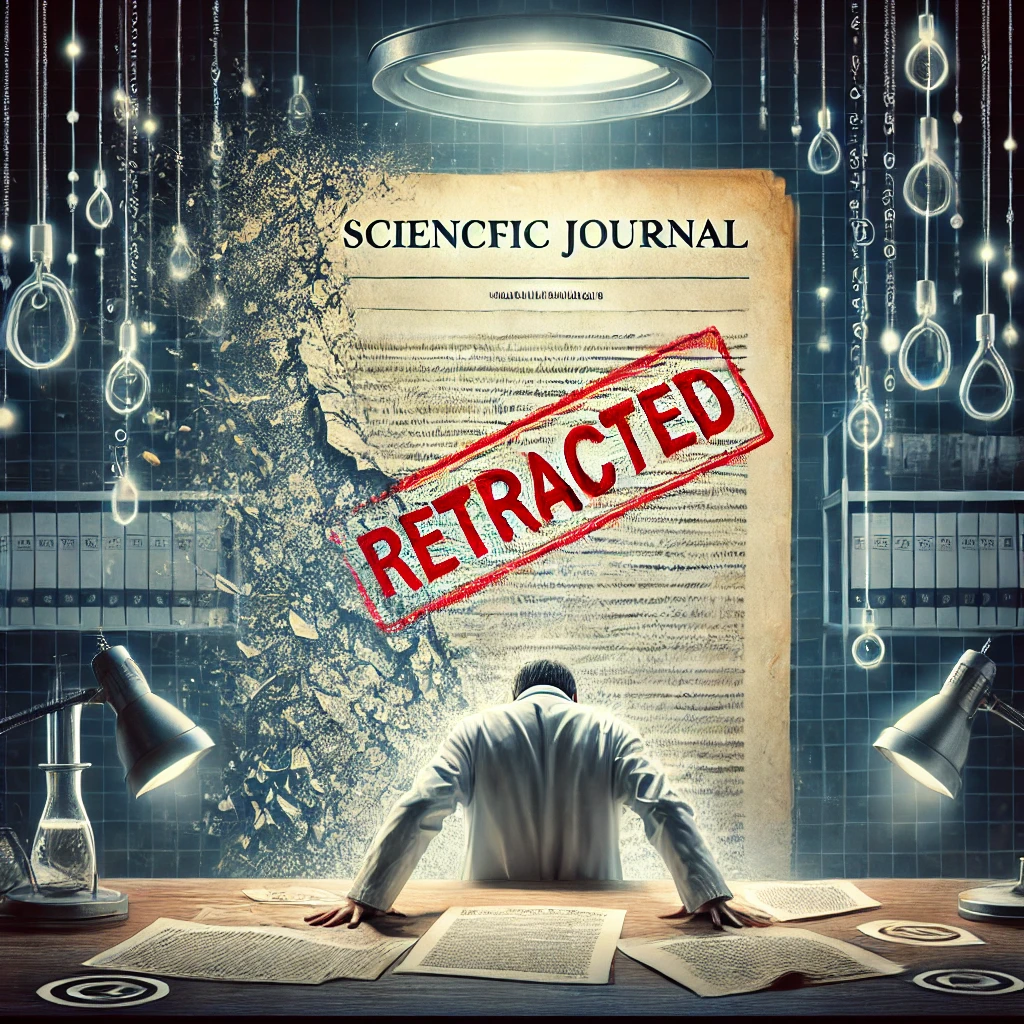


Maintaining image integrity is especially crucial during the prepublication quality-control stage of scientific manuscripts. Ensuring that images are authentic, accurate, and free from manipulation is a foundational requirement for credible life science publications. Detecting image integrity risks before a paper reaches publication not only strengthens scientific rigor but also protects authors and publishers from post-publication issues. This blog explores the key tools and techniques that authors, editors, and integrity specialists can use to identify image integrity risks during the prepublication process.
Prepublication Manual Inspection by Individual Experts
Manual inspection by subject-matter experts has long been the traditional approach to identifying image integrity issues. These experts carefully review each figure, examining them for signs of manipulation, duplication, or inconsistencies. Their experience and trained eye can help identify issues that may not be immediately obvious.
However, this approach comes with limitations. Manual inspection is time-consuming, inconsistent across reviewers, and prone to human oversight—especially when dealing with large or complex datasets. The effectiveness of this method varies significantly depending on each reviewer’s expertise and attention to detail.
Despite these drawbacks, expert-driven image review remains a valuable component of the prepublication workflow, offering thorough and context-aware evaluation that automated tools alone cannot provide.
Prepublication Manual Inspection by Dedicated Teams
A more robust alternative to individual inspection is review by a dedicated integrity team. This collaborative method leverages multiple perspectives, reducing the risk of missing subtle issues and increasing the likelihood of identifying problematic images.
Yet this approach also requires substantial resources—trained personnel, time, and coordination. Challenges such as reviewer fatigue and human error can still occur, particularly when evaluating high-volume submissions.
Nevertheless, team-based manual review offers a high level of scrutiny. For publishers and research institutions committed to maintaining the highest level of integrity, this method reinforces thoroughness and reduces the risk associated with insufficient prepublication quality control. Failing to review images thoroughly before publication can lead to long-lasting reputational and ethical consequences, making comprehensive inspection indispensable.

Relying on Editors and the Peer Review Process
The peer review process plays a central role in scientific publishing. Editors and reviewers evaluate manuscripts for accuracy, relevance, and scientific merit. Although they can help catch image integrity issues, peer review was not originally designed for detailed image analysis.
Most reviewers lack specialized training in detecting image manipulation, and time constraints often limit their ability to perform deep image checks. As a result, subtle manipulations may go unnoticed.
Even with these limitations, the peer review process remains an essential quality-control stage, providing additional oversight and ensuring that manuscripts undergo scientific validation before publication.
AI-Driven Image Integrity Automation Tools
AI-powered image integrity tools have emerged as one of the most effective modern solutions for prepublication screening. These systems use advanced algorithms to detect duplications, manipulations, irregular adjustments, and other signs of image tampering. They can scan entire manuscripts within minutes, dramatically reducing the time and subjectivity associated with manual review.
Such tools—like those powered by advanced AI models—can identify issues that might be too subtle for the human eye, such as partial duplication, cloning artifacts, and inconsistencies in image structure. Their speed and accuracy make them especially valuable for publishers and institutions handling large submission volumes.
While AI tools provide powerful detection capabilities, they should complement—rather than replace—human review. The most effective prepublication screening combines automated analysis with expert evaluation to ensure comprehensive and accurate integrity checks.
Conclusion
Detecting image integrity risks in life science publications requires a multi-layered approach. Manual review by experts, dedicated team inspections, contributions from editors and peer reviewers, and advanced AI-based automation tools each play an essential role. Understanding the strengths and limitations of each method helps authors, editors, and integrity specialists ensure that published research is accurate, trustworthy, and free from manipulation.
Tip:
Use a combination of tools and techniques for image integrity screening—no single method is foolproof. A hybrid approach that includes AI-based automation and expert review provides the strongest protection against image integrity issues.